

Introduction of Plastic Food Bags On A Roll
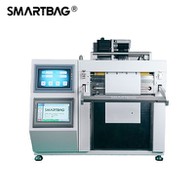
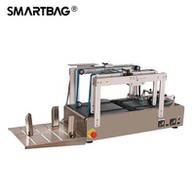
Smartbag plastic food bags on a roll which produce independently are full compatible with Autobag, Sharp, PAC's automatic package machine, used with our Desktop and Horizontal package machine to make your business more flexible according to customer requirements.
These roll bags are great for self bagging use, at farm stands, at home for personal chef, and even for pet litter use! Extra clarity to show off the fresh fruits and vegetables. Fits most grocery roll bag stands. And great for supermarket use as well. To avoid the danger of suffocation please keep these bags away from children, babies, and pets. Do not store near cribs, beds, and playpens.
Key Features of Plastic Food Bags On A Roll
Perforated for Easy Dispensing
Each roll is equipped with perforations for quick and hassle-free dispensing, streamlining packaging processes for bulk food service, industrial, and medical industry applications.
FDA and USDA Approved
Manufactured with 100% virgin raw materials, our bags ensure consistent quality and compliance with strict FDA and USDA regulations for food contact, guaranteeing safe packaging of food items.
BPA-Free and Food Safe
Free from harmful BPA, our bags provide secure storage for food products, offering peace of mind for your packaging needs.
Economical and Eco-Friendly
Our 2 mil clear poly bags on rolls are both economical and eco-friendly, making a minimal environmental footprint that is 100% recyclable and costing less to ship compared to equivalent alternatives.
Standard 3 Inch Cores with Adaptable Core Plugs
Rolled onto heavy-duty 3" standard cardboard cores, each end is secured with plastic adapters with 1" centers, providing greater flexibility for dispenser options.
Lightweight and Protective
With a thickness of 2 mil, these bags offer effective protection against dust, smudges, moisture, and minor mishaps while remaining lightweight for easy handling and storage.
Product Properties
1.Provide 1-8 color pre-print, both side printing, inside printing.
2.Short lead time 2 week
3.multiple color of film

Types of Plastic Bag Materials
We offer plastic bags in several different materials. Because each type of plastic has specific characteristics, understanding the differences can help you narrow your choices.
HDPE (High Density Polyethylene) Bags
HDPE features a variety of qualities that make it one of the most common plastics used in the world and many of these qualities translate to making it an excellent material for plastic bags. HDPE is light-weight, resistant to temperature, water, and vapor, has high tensile strength, is relatively transparent, and meets FDA/USDA food handling guidelines. These qualities combine to make versatile bags that are excellent for both serving and storing food in retail and take out situations. HDPE plastic food storage bags will allow your grocery store, convenience store, deli, or restaurant to work with greater efficiency, no matter how you choose to utilize them.
LDPE (Low Density Polyethylene) Bags
This type of plastic is commonly used for food bags and utility bags. Because low density polyethylene is breathable, products stored without refrigeration or freezing will not last as long, compared to a polypropylene bag. Though not as strong as HDPE bags, LDPE plastic storage bags are capable of storing bulk food items like fresh vegetables and fruits. Additionally, the clear plastic makes it easy to identify contents, so you can keep up in the fast-paced setting of a commercial kitchen. Highly versatile, the low melting point of LDPE makes these bags popular for use with heat sealing. Like HDPE, LDPE meets FDA/USDA food handling guidelines.
LLDPE (Linear Low Density Polyethylene) Bags
The biggest difference between LLDPE and LDPE plastic bags is that LLDPE food bags have a thinner gauge, but with the same strength. For example, a 0.85 mil thick LLDPE bag has the same strength as a 1.5 mil LDPE bag, allowing the user to "down-gauge" and save money! Similar to LDPE bags, LLDPE bags can be used for storing food in both refrigerators and freezers and the meet FDA/USDA food handling guidelines. These bags also allow for easy identification, and, as a highly versatile product, they are perfect for use in commercial kitchens.
PP (Polypropylene) Bags
Polypropylene bags combine excellent chemical resistance and strength. Unlike LDPE or LLDPE bags, polypropylene bags are not breathable, resulting in longer product shelf life for retail situations. Items like herbs, nuts, candies, and other confectioneries are perfect for storing in PP bags. Additionally, polypropylene bags are clearer than LDPE or LLDPE bags for enhanced product visibility. PP bags also have a high melting point, meaning they are great for heat sealing, and, similar to the other plastic food bag options, they are FDA/USDA approved.
Benefits of Using Plastic Food Bags On A Roll
Good for Branding
If you run a store or supermarket, it is pretty easy for you to print your business's name, logo and other information on the plastic bags. And good thing is that it is simple to make changes in the design.
Cheaper than Paper or Cloth Packaging
A piece of plastic bag will cost you no more than .25 cent which is much cheaper than a paper bag costing 5 cent or more per piece. You have to spend few dollars for reusable cloth bags. It means that purchasing plastic bags in bulk will be beneficial for your small business and profit margins.
Quicker to Open and Pack
Plastic bags are quicker to open, pack and double up, saving you few seconds. This is why they are widely used by busy cashiers to keep lines moving efficiently. In addition, plastic bags take up less space than paper bags, both in storage and at cashier point. In contrast to the plastic bags, reusable cloth bags consume more space and are considerable
heavier.
Biodegradable
Most of the plastic bags are biodegradable, meaning that they can be broken down in a reasonable amount of time when thrown in the waste. They are decomposed in three years while an average time for an ordinary plastic bag to completely decompose is at least 500 years. This is because biodegradable bags are decomposed by bacteria or other living organisms. Biodegradable plastic bags leave no trace behind and are safe for the environment.
Consuming Less Energy
The manufacturing process of plastic bag is energy efficient while the solid waste percentage is less. A plastic bag consumes up to 40% less energy to make and causes 70 % less solid waste than a paper bag.
Uses of Plastic Food Bags On A Roll

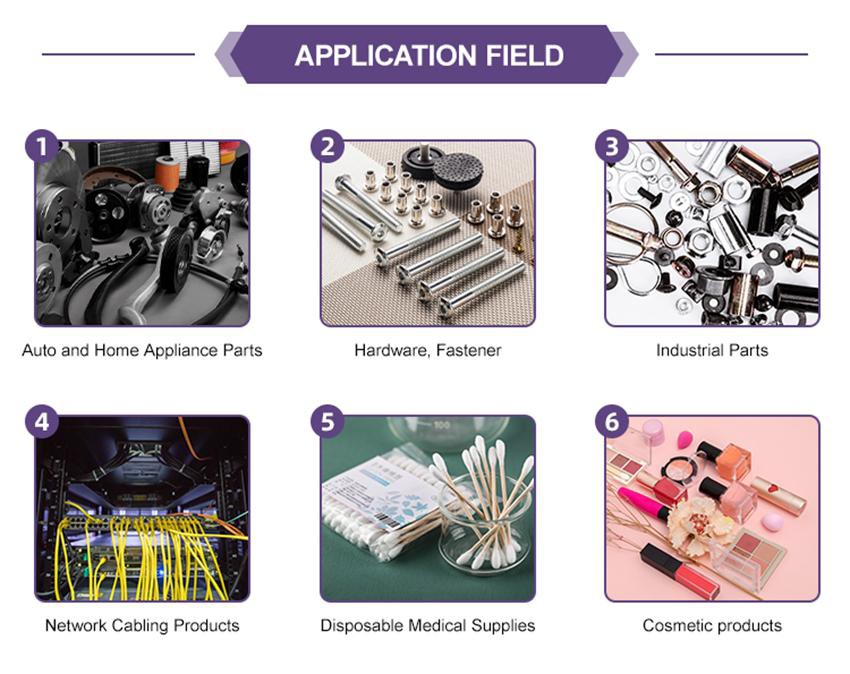
Storing and Transporting Food
The most obvious use of food grade plastic bags is safely storing and transporting food. Restaurants, grocery stores, and food manufacturers rely on these bags to keep ingredients and products fresh during shipping and storage. Plastic bags create an airtight seal that locks in freshness and prevents contamination.
Freezing Food
Food grade plastic bags are ideal for freezing food. They are durable enough to withstand extremely cold temperatures without becoming brittle. The airtight seal also prevents freezer burn by blocking exposure to oxygen. Many brands of resealable frozen food bags are BPA-free and FDA-approved for direct food contact.
Cooking and Reheating
Some high-quality food grade plastic bags are microwave and dishwasher-safe, allowing you to cook and reheat food directly in the bag. This is very convenient but be sure to double-check the specifications of your bags to ensure they can withstand high heat before using them in this way.
Portion Control
Pre-made plastic bags in various sizes are useful for controlling portion sizes. You can separate bulk ingredients or leftovers into individual servings before storing or freezing. This makes it easy to grab just what you need and avoids waste.
Organization
Finally, food grade plastic bags help keep your kitchen, pantry, and refrigerator organized. Use them to group similar items or to keep strong-smelling foods separated. Label each bag to make things easy to spot at a glance. An organized kitchen is an efficient kitchen!
QA&QC

Our service
1.Provide the technical design and solutions;
2.Professional technical training and guidance on site according to the contract;
3.Supply accessories at any time;
4.Remote technical consulting and services;

Packing,Storage, Handling and Transportation
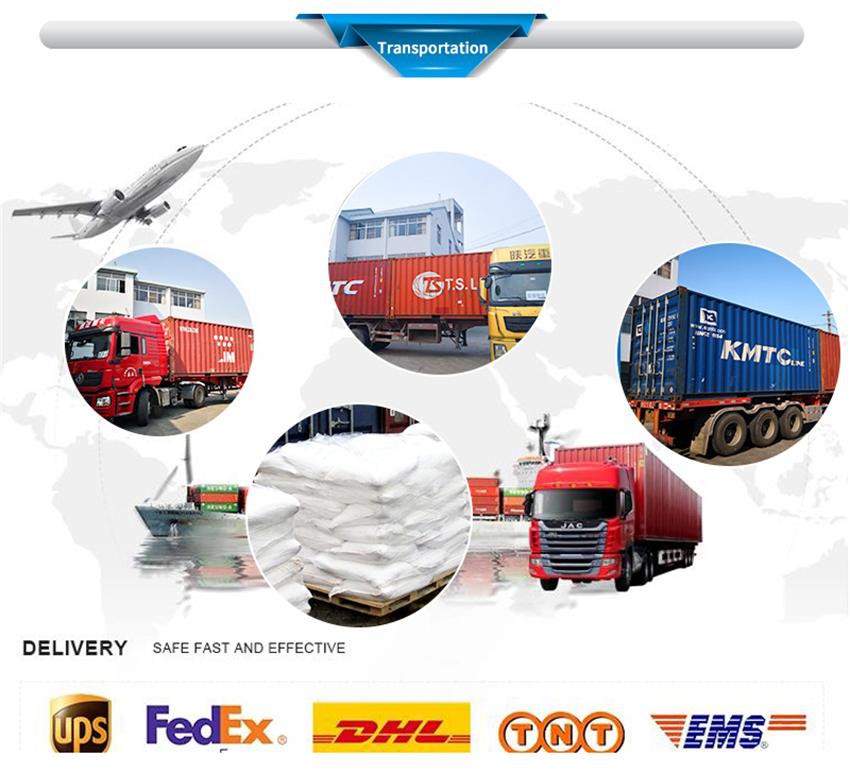
Strategic Partners with Chenghong Commerce
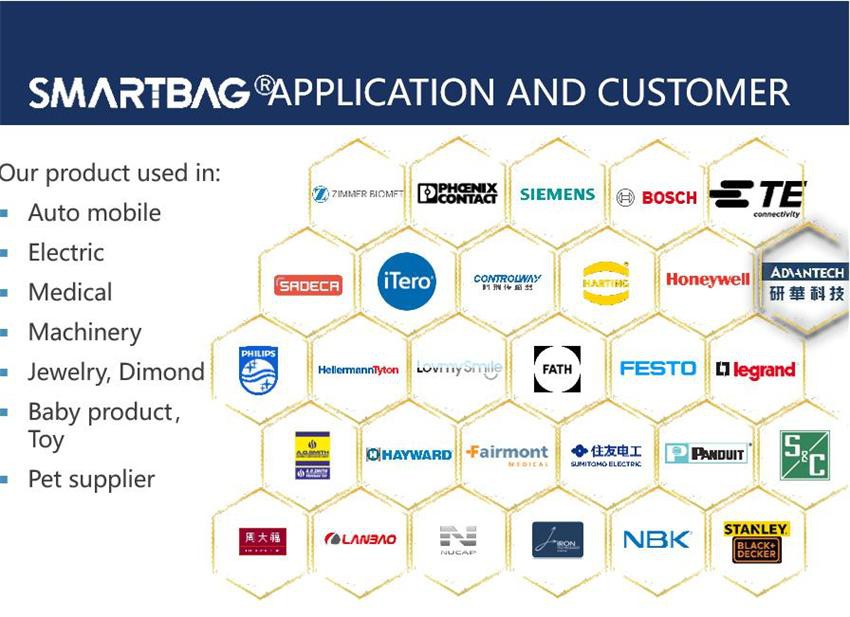
700+ customers from more than 30 countries in the past 15 years.
Plastic Food Bags On A Roll: What to Look For
Made with Food Grade Plastic
As its name suggests, food grade plastic is any plastic material deemed safe for use with foods. In order to be considered a food grade plastic, a material must meet various safety standards established by the Food and Drug Administration and other regulatory organizations. These standards ensure that the material meets the following three criteria:
Protective – prevents moisture or contamination
Durable – protects food items during manufacturing, packaging, storage, and transportation process
Chemically safe – has no potential for "leeching", which is when chemicals seep into the food
These standards also look for less life-threatening, but still important aspects like whether or not a plastic material affects the taste, odor, or color of the food.
Food Storage Poly Bags That Are Thin, but Durable
With food storage, you generally need a bag that's flexible, lightweight, moisture-resistant, and transparent so customers can see what's inside. Luckily, various poly bags offer these benefits.
However, depending on the type of food, size of food, shape of food, and/or quantity of food you're hoping to store, you may need to invest in something a little more heavy-duty. This is where the difference between HDPE and LDPE poly bags come in.
High-density polyethylene (HDPE) poly bags are denser, causing them to be more durable and resistant to tears - but they can be less flexible and transparent than other options. Therefore, they're most ideal for heavy, sharp, or bulk food items.
Low density polyethylene (LDPE) poly bags are less dense, causing them to be flexible, transparent, and easy to open. They're the best option for lightweight, low-quantity food items.
Able to Withstand Extreme Temperatures
Maybe you need to freeze your food, or maybe you're planning to sell your food at an outdoor market in the summer. Either way, you need to make sure that the type of poly bag you choose can withstand the extreme temperatures you may store it in.
These temperature-proofed poly bags usually have additives within them to help prevent the plastic from becoming brittle, breaking down, or melting - all in an effort to keep your food from damage and spoiling.
Sustainable Poly Bags
As your business has grown, you may have noticed the number of plastic bags you go through on a daily basis. As each food item is sold, another single-use plastic bag leaves the store, possibly leading you to think about your store's impact on the environment.
Looking for poly bags for food storage? We can develop anything you need. From frozen food storage to branded plant-based bags, we offer custom poly bags at no minimum order, with lead times of just 2-3 weeks. Give our team a call or contact us online to learn more.
Hot Tags: plastic food bags on a roll, China plastic food bags on a roll manufacturers, suppliers, factory