

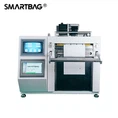
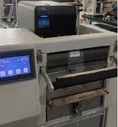

The main technical indicators of the printing system include the following aspects:
1. Print quality
Resolution: It is an important indicator for measuring print quality, usually expressed in dots per inch (dpi). The higher the resolution, the clearer the printed images and text. For example, common laser printers have resolutions of 600dpi, 1200dpi, etc., and high-end photo printers can even reach 4800dpi or above.
Color performance: For color printers, color performance is crucial. Including color accuracy, vividness and layering. Some printers use high color gamut ink or toner, which can present richer colors. At the same time, the color management system of the printer will also affect the color performance, such as whether it can accurately restore the color of the image, adjust the color balance, etc.
Printing speed: Printing speed is usually measured in pages per minute (ppm). The faster the printing speed, the higher the efficiency. The printing speed of different types of printers varies greatly, and laser printers are generally faster than inkjet printers. For example, the printing speed of an ordinary office laser printer may be between 20ppm and 30ppm, while some high-speed commercial laser printers can reach more than 50ppm. The printing speed of an inkjet printer is relatively slow, generally between a few ppm and more than ten ppm.
2. Paper handling capability
Paper size: The Thermal transfer overprinting systems should be able to support multiple paper sizes, such as A4, A3, letter paper, etc. Some Digital Thermal Transfer Printer can also support special sizes of paper, such as photo paper, label paper, etc.
Paper thickness: Different printers have different support capabilities for paper thickness. Some printers can print thicker card stock, envelopes, etc., while some printers can only print ordinary paper. Paper thickness is usually expressed in grams per square meter (g/m²) or millimeters (mm).
Paper feeding method: There are two methods: manual feeding and automatic feeding. Automatic feeding can improve printing efficiency and reduce manual operations. Some printers also have multi-page feeders, which can put multiple sheets of paper at a time for continuous printing.
Duplex printing: Printers that support duplex printing can save paper and reduce printing costs. Double-sided printing can be achieved by manual flipping or automatic double-sided printing.
3. Connectivity and compatibility
Connection method: The printing system should support multiple connection methods to connect with different devices. Common connection methods include USB connection, Wi-Fi wireless connection, Bluetooth connection, Ethernet connection, etc. Wireless connection allows users to print more conveniently without being restricted by cables.
Operating system compatibility: The printing system should be compatible with multiple operating systems, such as Windows, Mac OS, Linux, etc. Ensure that users can use the printer normally under different operating systems.
Driver: The printer needs to install the corresponding driver to work properly on the computer. The quality and stability of the driver will affect the performance of the printing system. A good driver should be easy to install, set up and update, and provide rich printing options and functions.
4. Reliability and durability
Failure rate: The lower the failure rate of the printing system, the higher the reliability. The failure rate is usually measured by the mean time between failures (MTBF). The longer the MTBF, the lower the probability of failure of the printer under normal use.
Consumable life: The consumables of the printing system mainly include ink cartridges, toner cartridges, ribbons, etc. The longer the life of consumables, the lower the cost of use. For example, some laser printers can print thousands or even tens of thousands of pages, while the life of inkjet printers varies depending on the print volume and cartridge capacity.
Maintenance cost: The maintenance cost of the printing system is also an important consideration. Including the price of consumables, repair costs, etc. Some printers are designed to be easier to maintain, such as easy replacement of consumables and cleaning of print heads, which can reduce maintenance costs.
5. Other indicators
Noise level: The noise generated during the printing process will affect the working environment. Noise levels are usually expressed in decibels (dB). A low-noise printing system can provide a quieter working environment.
Energy consumption: The energy consumption of the printing system is also a factor to consider. Low-energy printers can reduce the cost of use and are also more environmentally friendly. Some printers have energy-saving modes that automatically reduce energy consumption when not in use.
Size and weight: For some office environments with limited space, the size and weight of the printing system are also factors to consider. Small and lightweight printers can save space and are easy to move and place.
If you want to know the main technical indicators of the printing system, you can contact Constant Technology and we will do our best to help you!